The volatile Pakistan-Afghanistan conflict has escalated dramatically. New reports of an airstrike hitting a hospital near the border increase the human cost. Learn about the 3 critical risks this poses.
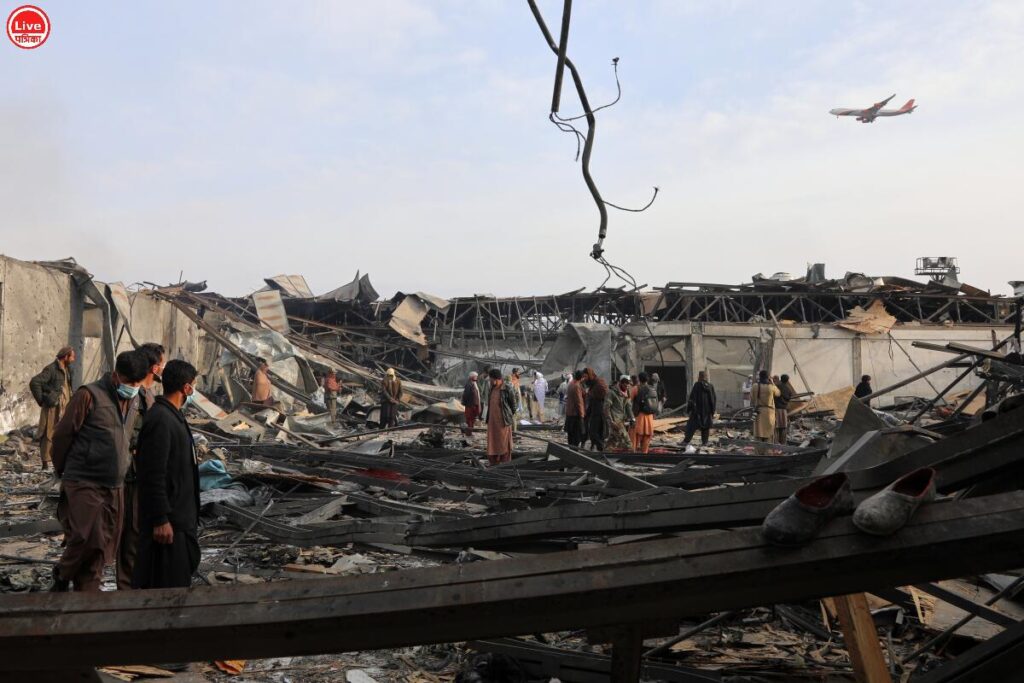
The long-standing, often dormant tension of the Pakistan-Afghanistan Conflict has once again flared into a dangerous, kinetic phase. Following a series of cross-border skirmishes that have plagued relations for decades, recent events suggest a severe escalation. Reports are emerging that an attack—specifically an airstrike—has targeted and hit a medical facility, or hospital, in one of the volatile border provinces.
This development is more than a mere uptick in violence; it represents a significant, moral breach of standard conflict protocols. The targeting of civilian infrastructure, particularly a hospital, has profound legal and humanitarian implications, and it risks pushing the Pakistan-Afghanistan Conflict toward an unstable “open war” scenario that neither nation can afford.
The Growing Crisis: Understanding the Pakistan-Afghanistan Conflict
The current escalation did not occur in a vacuum. To understand the gravity of an attack on a hospital, one must trace the recent deterioration of ties. Since the Taliban returned to power in Afghanistan in 2021, Pakistan has frequently accused its neighbor of harboring militant groups, most notably the Tehrik-i-Taliban Pakistan (TTP), which carries out frequent, deadly attacks inside Pakistan.
Kabul has consistently denied these allegations, but the TTP’s presence near the porous, disputed Durand Line border remains a primary point of friction. In early 2024, the Pakistan-Afghanistan Conflict moved beyond diplomatic protests. Pakistan launched a series of precise airstrikes inside Afghanistan, targeting alleged TTP hideouts in Khost and Paktika provinces.
The Afghan government condemned these strikes as a violation of its sovereignty and vowed retaliation, leading to a breakdown of a fragile, regional ceasefire. It is against this backdrop of direct, military engagement that the latest reports of an attack on a hospital must be analyzed.
A Red Line Crossed: Reports of an Attack on a Hospital
The specific details surrounding the attack on a hospital remain a subject of intense narrative dispute, which is typical in a fluid, cross-border crisis. Reports suggest that a medical facility in a border district, or perhaps a temporary clinic, was hit during a broader aerial campaign. This clinic or hospital, dedicated to treating civilians, sustained significant damage.
The local healthcare system, already fragile after decades of conflict in the region, has been shattered. The immediate fallout includes a tragic loss of life, including both medical staff and vulnerable patients.
“A hospital is not a target. When we target infrastructure meant for healing, we don’t just kill people; we destroy hope for entire communities,” stated one international humanitarian observer monitoring the region.
The narrative emerging from Afghanistan suggests that the strike was part of Pakistan’s offensive campaign. Conversely, Pakistani official sources, while confirming precise operations against terrorist support infrastructure, have rejected allegations that their forces intentionally targeted any civilian sites, including a hospital or medical facility. The fog of war complicates verifiable attribution, but the very reporting of such an event significantly shifts the dynamic of the Pakistan-Afghanistan Conflict.
The Humanitarian Fallout of Border Tensions
The humanitarian consequences of the Pakistan-Afghanistan Conflict are profound, particularly for the civilians living along the 2,600-kilometer border. The regions most affected—Khost, Paktika, and Khyber Pakhtunkhwa—are already historically underserved and vulnerable.
The conflict has displaced thousands of people. An attack on a hospital or medical clinic adds a layer of absolute despair to an already severe crisis.
- Healthcare Collapse: The immediate closure of a hospital in a remote area forces local civilians to travel great distances, often through active conflict zones, to find essential medical care. The remaining healthcare workers, overwhelmed and fearful, are frequently unable to provide continuous service.
- Vulnerable Populations: Children, the elderly, and those requiring chronic care—including patients under treatment for severe issues like drug addiction—are the most impacted. They face increased mortality from preventable conditions.
- Destruction of Social Fabric: When communities see their essential infrastructure, like a school or a hospital, destroyed, it undermines local trust in governance and increases general instability.
Regional Stability at Risk
The long-term risk posed by the escalating Pakistan-Afghanistan Conflict, including the potential normalization of attacks on sensitive infrastructure, is the destabilization of the entire Af-Pak region.
The conflict does not happen in a vacuum. Other potent militant actors, including the Islamic State-Khorasan Province (ISKP) and al-Qaida, operate in the rugged, ungoverned border terrain. Continued and widespread fighting between the Afghan and Pakistani militaries could create security vacuums that these groups would gladly exploit. The current dynamic risks pushing the region into a dangerous cycle of violence that could draw in larger regional powers like India, China, and Iran, all of whom have significant strategic interests.
The Path Forward: De-escalation or Open War?
The future of the Pakistan-Afghanistan Conflict hangs in the balance. While Pakistan maintains a superior military capacity, including a sophisticated air force, a prolonged ground or air campaign against a persistent, insurgent adversary in Afghanistan is a strategically perilous endeavor.
The international community, particularly through mediators in Qatar or Turkey, must urgently push for a ceasefire. To prevent an full-scale, regional war, both Kabul and Islamabad must return to the negotiating table. The Afghan Taliban must address legitimate security concerns regarding cross-border terrorism, and Pakistan must ensure its anti-terror operations do not become a source of profound civilian suffering and the destruction of essential infrastructure like a hospital.
Follow us on Instagram, X (Twitter) for more latest news.
for tech news visit here