
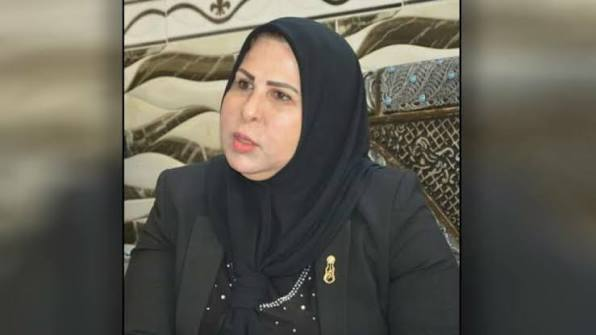

The political landscape of Iraq has undergone a seismic shift in late June 2026. What began as a series of whispered rumors regarding government reform culminated in an unprecedented crackdown within Baghdad’s heavily fortified “Green Zone.” At the epicenter of this storm is veteran Member of Parliament Alia Nassif, whose arrest has signaled a new, aggressive phase in the Iraqi government’s fight against institutional corruption.
For years, Nassif was a fixture of the Iraqi Council of Representatives, often presenting herself as a firebrand critic of bureaucratic graft. However, the events of late June have fundamentally altered her public legacy. As the country grapples with the aftermath of these high-profile arrests, we provide an in-depth look at the developments surrounding her detention, the evidence seized, and the broader implications for Iraqi governance.
Key Takeaways
- High-Profile Arrest: Veteran MP Alia Nassif was taken into custody on June 28, 2026, as part of a sweeping, government-led anti-corruption operation.
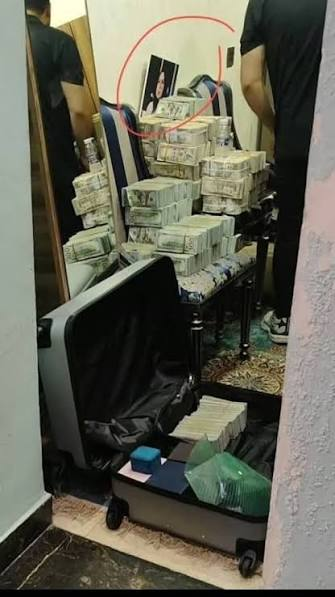
- Massive Asset Seizure: Security forces discovered approximately $15.5 million USD (20 billion Iraqi dinars) and significant quantities of gold during a raid on her private residence.
- Judicial Pressure: Beyond criminal charges, Nassif has faced civil liability, with a Baghdad court recently ordering her to pay damages for reputational harm caused to a government official.
- Systemic Cleanup: Prime Minister Ali Al-Zaidi’s administration has detained over 40 senior officials and lawmakers, aiming to dismantle entrenched corruption networks that have long plagued Iraq.
The Arrest of Alia Nassif: A Turning Point
The early hours of June 28, 2026, marked a “pre-dawn” shift in Baghdad’s political climate. Elite units from the Counter-Terrorism Service executed a series of coordinated warrants targeting high-ranking officials across the Green Zone. Alia Nassif, a long-time member of parliament and Vice-Chair of the Parliamentary Integrity Committee, was among those detained.
The Raid and Evidence Recovery
The scale of the discovery at Nassif’s residence shocked the Iraqi public. According to reports from the Iraqi News Agency (INA) and international outlets, the raid resulted in the seizure of:
- Liquid Assets: Roughly 20 billion Iraqi dinars, equivalent to $15.5 million USD.
- Precious Metals: Significant quantities of gold, found hidden within the residence.
- Documentation: Various files potentially linked to illicit influence-peddling and misuse of public funds.
This evidence forms the core of the criminal investigation currently being conducted by the federal judiciary. The speed and visibility of this seizure are being viewed by observers as a deliberate move by the Al-Zaidi administration to demonstrate tangible progress in recovering stolen state funds.
Legal Challenges Beyond Corruption Charges
While the corruption probe dominates headlines, Nassif’s legal woes extend into civil court proceedings. On June 30, 2026, the Al-Karkh Civil Court in Baghdad issued a ruling ordering Nassif to pay financial compensation to a legal adviser at the Interior Ministry.
The court found Nassif liable for damages resulting from public remarks that harmed the plaintiff’s professional reputation. This ruling highlights the dual pressure Nassif faces: she is currently fighting a criminal indictment related to state corruption while simultaneously managing civil litigation arising from her conduct as a public official.
The Context: Prime Minister Al-Zaidi’s Agenda
The detention of Alia Nassif is not an isolated event but a primary component of Prime Minister Ali Al-Zaidi’s broader anti-corruption campaign, which officially launched in late June 2026.
Breaking the Cycle of Impunity
For decades, political immunity in Iraq often acted as a shield for high-ranking officials. The current campaign is notable for its refusal to respect these traditional boundaries. By targeting the top leadership of the Parliamentary Integrity Committee—including both the Chairman, Ziad al-Janabi, and his deputy, Alia Nassif—the government is sending a clear signal: no position is untouchable.
Public Reaction and Future Outlook
The discovery of “stash houses” and hidden wealth has resonated deeply with the Iraqi populace, who have long called for accountability regarding the disappearance of state funds. However, experts note that the government must ensure these trials are transparent and fair to avoid accusations of political score-settling.
Moving forward, the success of the Al-Zaidi administration will be measured by whether these arrests lead to successful prosecutions and whether the recovered assets are effectively returned to the public treasury to fund essential services.
Conclusion
The arrest of Alia Nassif represents a critical moment in contemporary Iraqi history. By transitioning from the legislative podium to a defendant’s bench, her case illustrates the volatile and changing nature of accountability in Baghdad. As the judicial process continues, the nation watches closely, waiting to see if this crackdown will usher in a new era of governance or remain a fleeting attempt to satisfy a public demanding justice.
Frequently Asked Questions (FAQ)
1. What was the exact date of Alia Nassif’s arrest?
Alia Nassif was arrested on June 28, 2026, during a coordinated security operation targeting multiple high-ranking officials in Baghdad’s Green Zone.
2. How much money was found in Nassif’s home?
Authorities seized approximately 20 billion Iraqi dinars, which amounts to roughly $15.5 million USD, alongside significant quantities of gold.
3. Was Alia Nassif the only official arrested?
No. Her arrest was part of a larger operation involving the detention of over 40 parliamentarians and high-ranking officials, including the leadership of the Parliamentary Integrity Committee.
4. What are the primary charges against her?
She is facing investigations related to illicit enrichment, money laundering, and the misuse of public funds, stemming from her time as a member of the Iraqi Parliament.
Read more news… Click here.